This is a simple Safeguarding awareness quiz designed for us to get a feel of your perceptions around some of the issues relating to safeguarding and the protection of children that may come into your care as a mentor, coach, teacher, administrator, leader or session facilitator.
This Module of the SSF INCUS SAFECERT Level 2 Safeguarding Children course, titled "Essential Steps," focuses on the basic requirements for securing the safety of children in sports programs. It emphasizes the importance of dealing with disclosures of abuse calmly and non-judgmentally, using open-ended questions, and making records of details as soon as possible. The module also highlights the role of coaches and workers in observing signs of abuse or neglect, recognizing vulnerable groups such as children with disabilities, and addressing associated issues like peer-on-peer abuse and online safety. Additionally, it discusses the impact of organizational culture on child safeguarding practices and the inappropriate use of physical exercise as punishment in sports programs.


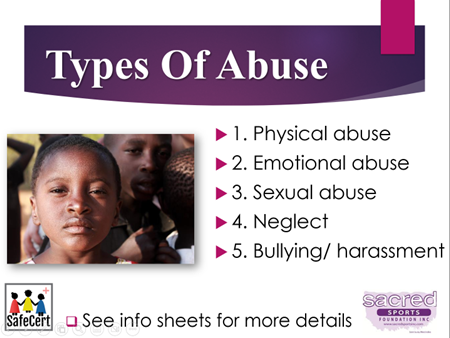
This second Module emphasizes the importance of meticulous record keeping in child safeguarding. It highlights that accurate documentation of every interaction, observation, and action concerning a child's well-being is crucial. This practice not only protects children by providing a comprehensive understanding of their experiences and needs but also shields the adults responsible for their care from false accusations. The document outlines the seven golden rules for effective information sharing, which include prioritizing the child's best interest, obtaining consent, sharing information with the right people, and ensuring secure and accurate documentation. Additionally, it discusses the various forms of abuse, such as physical, emotional, sexual abuse, and neglect, and underscores the role of accurate records in identifying and addressing these issues. Ultimately, the document advocates for a culture of accountability and transparency, ensuring that every action taken is in the best interest of the child and that their safety and well-being are prioritized.

This third module focuses on safeguarding children and working together effectively to ensure their safety and well-being. It covers the principles of child rights, including non-discrimination, the best interests of the child, the right to life, survival and development, and respect for the views of the child. The module emphasizes the importance of creating a safe and enjoyable environment for children to participate in sports and highlights the role of various agencies in child safeguarding. It also discusses the new Child Justice Act 2018, which provides greater protections for children, and the United Nations Convention on the Rights of the Child, signed in 1993.

This module emphasizes the importance of safeguarding policies in organizations involved in physical activities and sports. It outlines the purpose of a safeguarding policy, which includes protecting children from abuse and ensuring everyone understands their responsibilities. The module covers the basic parts of a safeguarding policy, such as the policy statement, purpose, scope, key definitions, and actions the organization is responsible for.
It also details child safeguarding procedures, including recognizing signs of abuse, reporting mechanisms, and confidentiality policies. Additionally, it discusses safer recruitment policies, health and safety procedures, whistleblowing policies, and complaints procedures. The module highlights the importance of implementing these policies in daily practice through training, creating a safe environment, record-keeping, engaging with parents, and multi-agency collaboration.
The final thoughts emphasize the extensive responsibility of safeguarding and promoting the welfare of children, requiring vigilance, constant care, and understanding of the pertinent policies and procedures.
In this section we provide documents and links to useful resources.